Case Study

Inventory Analytics Dashboard

A portfolio project created to demonstrate how I would support an Inventory Reporting & Analytics role: turning stock data into actionable KPI views, weekly summaries, and exception-based decision making.

1,200+

Simulated SKUs

12 Months

Usage and demand history

6 KPIs

Built for weekly decisions
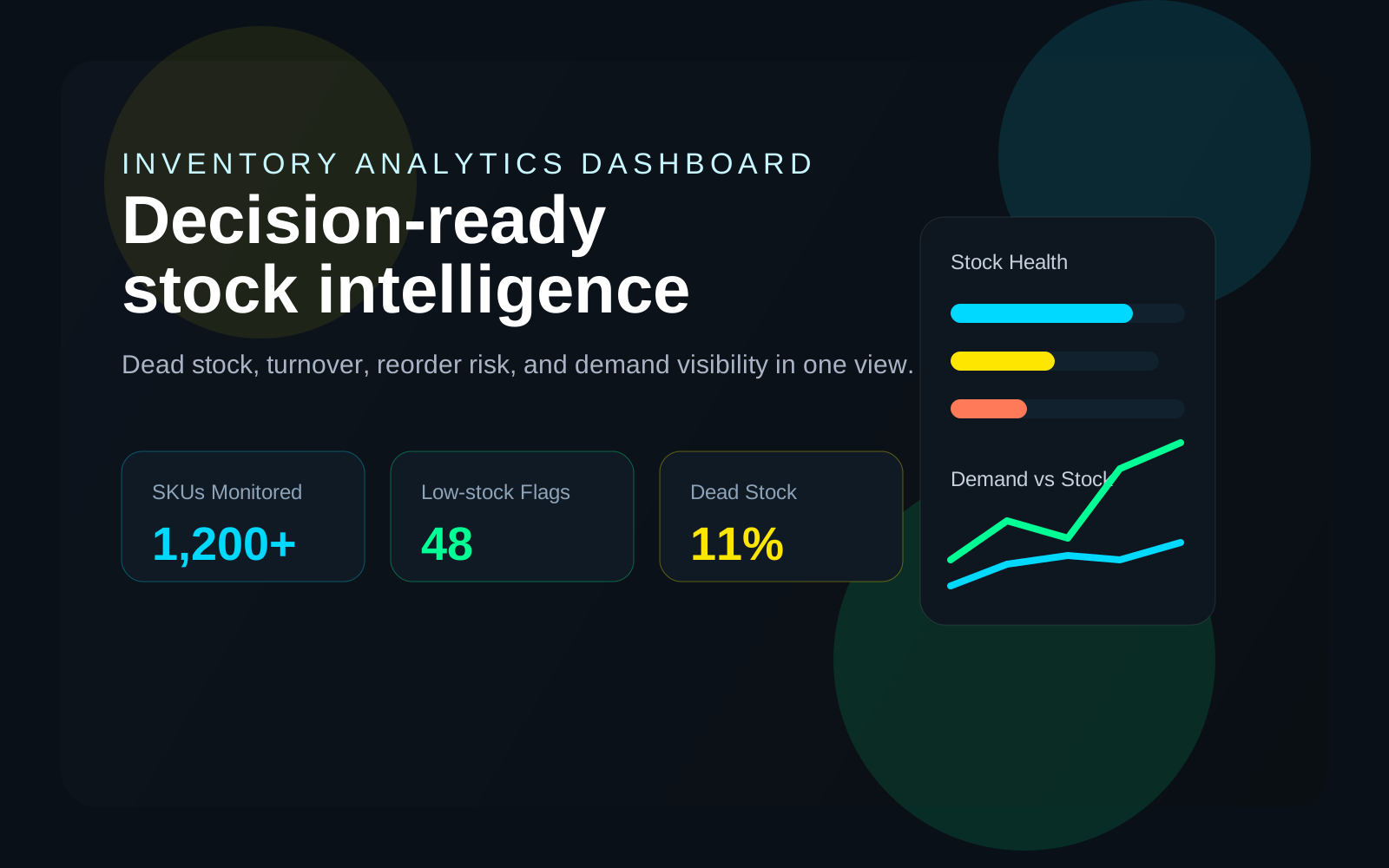
Inventory Analytics Dashboard cover

Problem

Inventory teams often have stock data, but not a clear view of dead stock, reorder risk, and which items deserve attention first.

Approach

Build a reporting layer around demand history, stock on hand, lead time, and business rules so exceptions are visible immediately.

Outcome

A dashboard and weekly review flow that helps teams prioritize reorders, slow-moving stock, and at-risk SKUs.
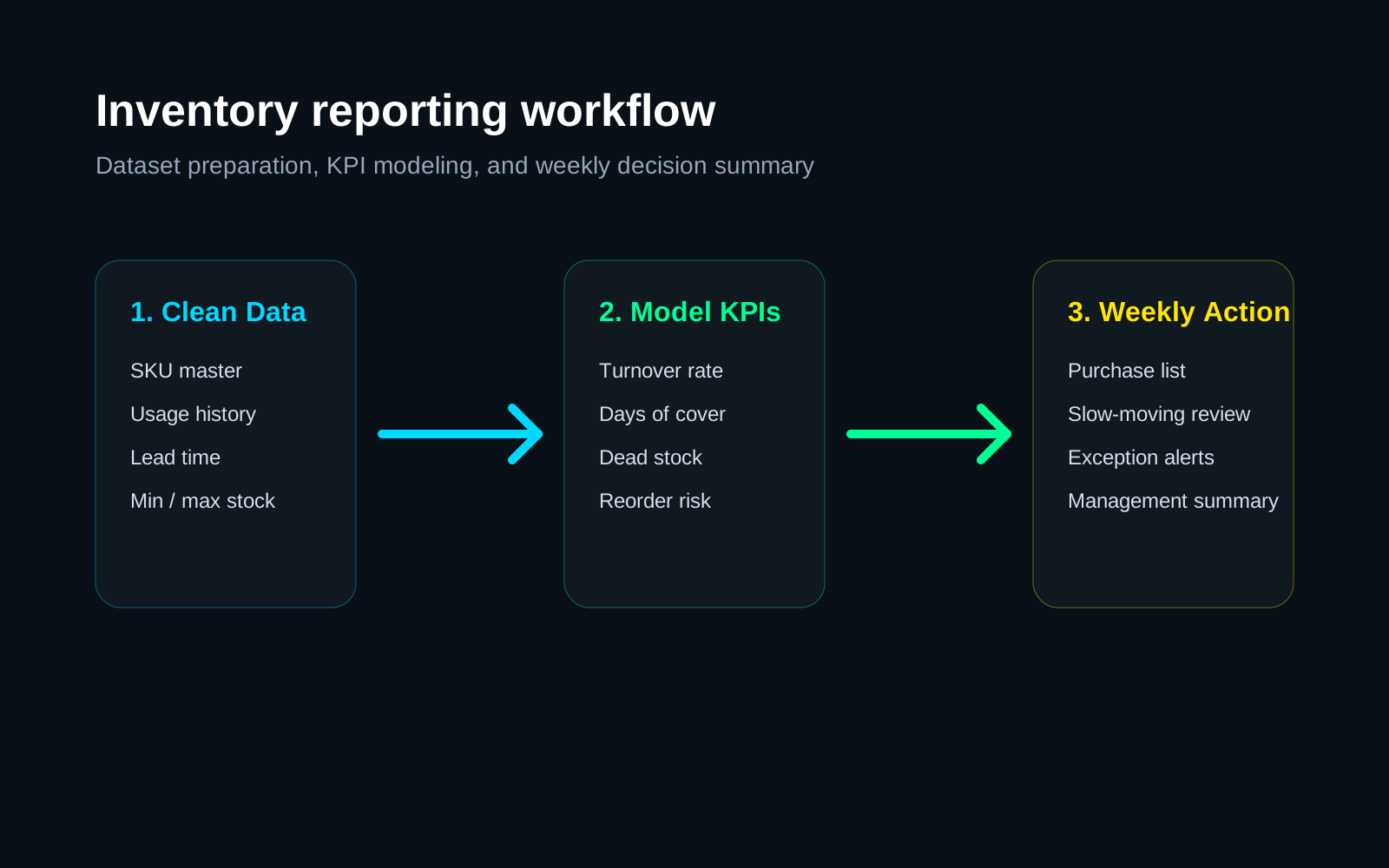
Dataset & KPI Design

  • Simulated SKU master with category, supplier lead time, safety stock, and unit cost.
  • Monthly usage / demand history to compare current stock against expected consumption.
  • KPIs designed for action: stock cover days, turnover rate, dead stock %, reorder risk, ABC mix, and slow-moving value.
  • Output framed for weekly operations review instead of only descriptive charts.
Inventory analytics workflow

What the Dashboard Answers

Which items have low stock coverage and need reorder attention this week?
Which SKUs are consuming warehouse value without moving fast enough?
Which categories have healthy turnover and which need clean-up or policy review?
What should management see in one slide without reading raw spreadsheets?

Dashboard Preview

The reporting layer is intentionally business-oriented: a quick KPI row, demand-vs-stock trend, and stock mix review that points the team toward action rather than passive monitoring.
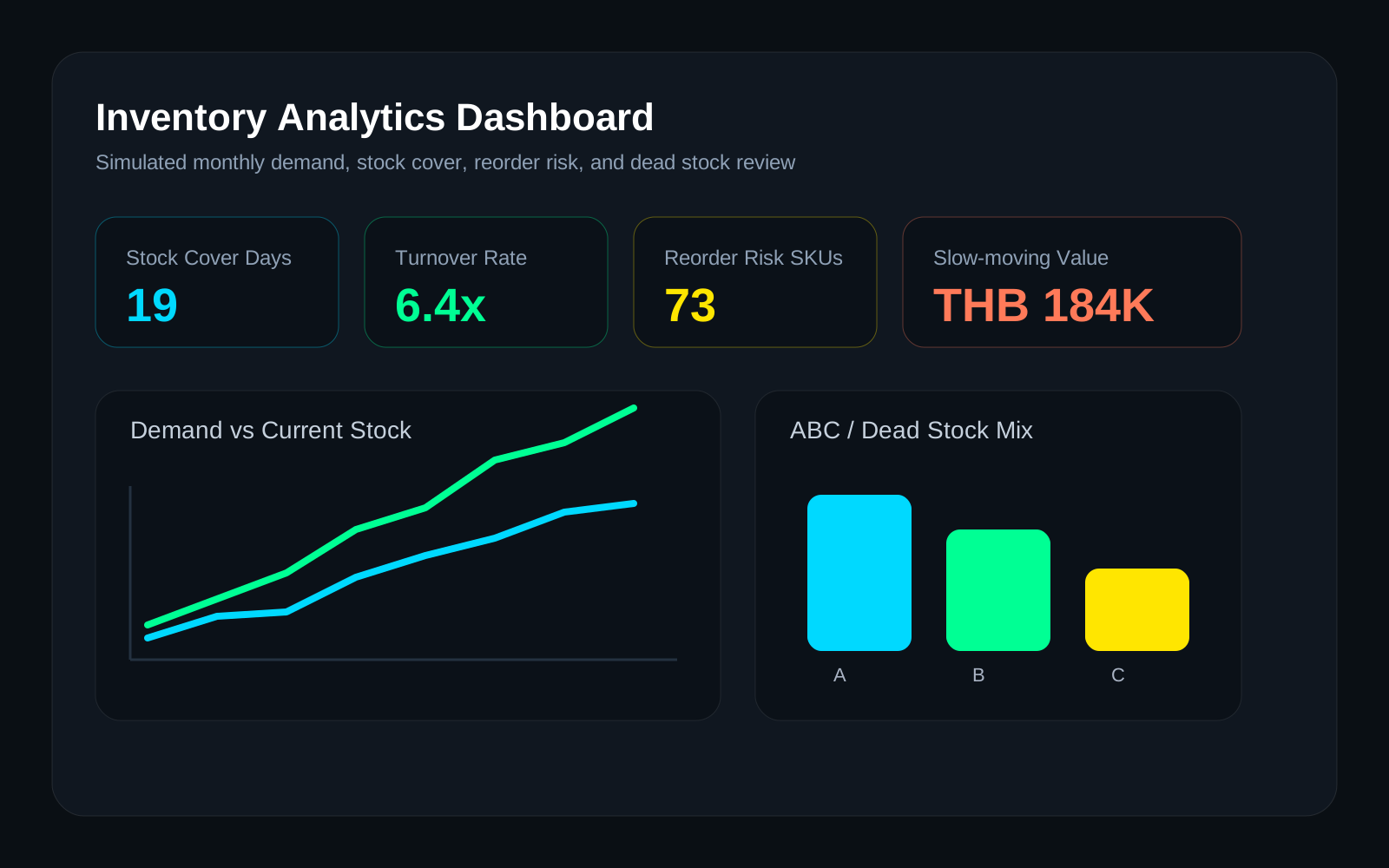
Suggested stack: Power BI or Google Sheets dashboard + SQL-style KPI logic
Inventory analytics dashboard

Why This Matters for Inventory Roles

  • Shows that I can translate raw stock data into management-ready reporting.
  • Connects analytics to business decisions like reorder prioritization and slow-moving review.
  • Keeps the operational mindset: adoption, accuracy, and clarity matter as much as the visuals.
  • Builds on my real background in lab operations, QA discipline, and workflow automation.